What We Do
Emergency Response Initiatives and specific areas of Focus
As the protracted prevailing conflict continues, SPOCI has responded in locations where we have and can provide value added humanitarian assistance and where security allows. Our emergency response, in Greater Pibor Administrative Area, Jonglei and Central Equatoria Planned states build on existing programs and technical expertise such as Child Protection, Integrated Nutrition and (WASH)- Water, Sanitation and Hygiene, Education in Emergencies, Food Security and Livelihoods. SPOCI’s initial assessments indicate that more than 60 per cent of displaced people are women and children. We ensure that our response programming takes into consideration Christian values and the different needs of women, men, boys and girls.
Water, sanitation and hygiene (WASH)
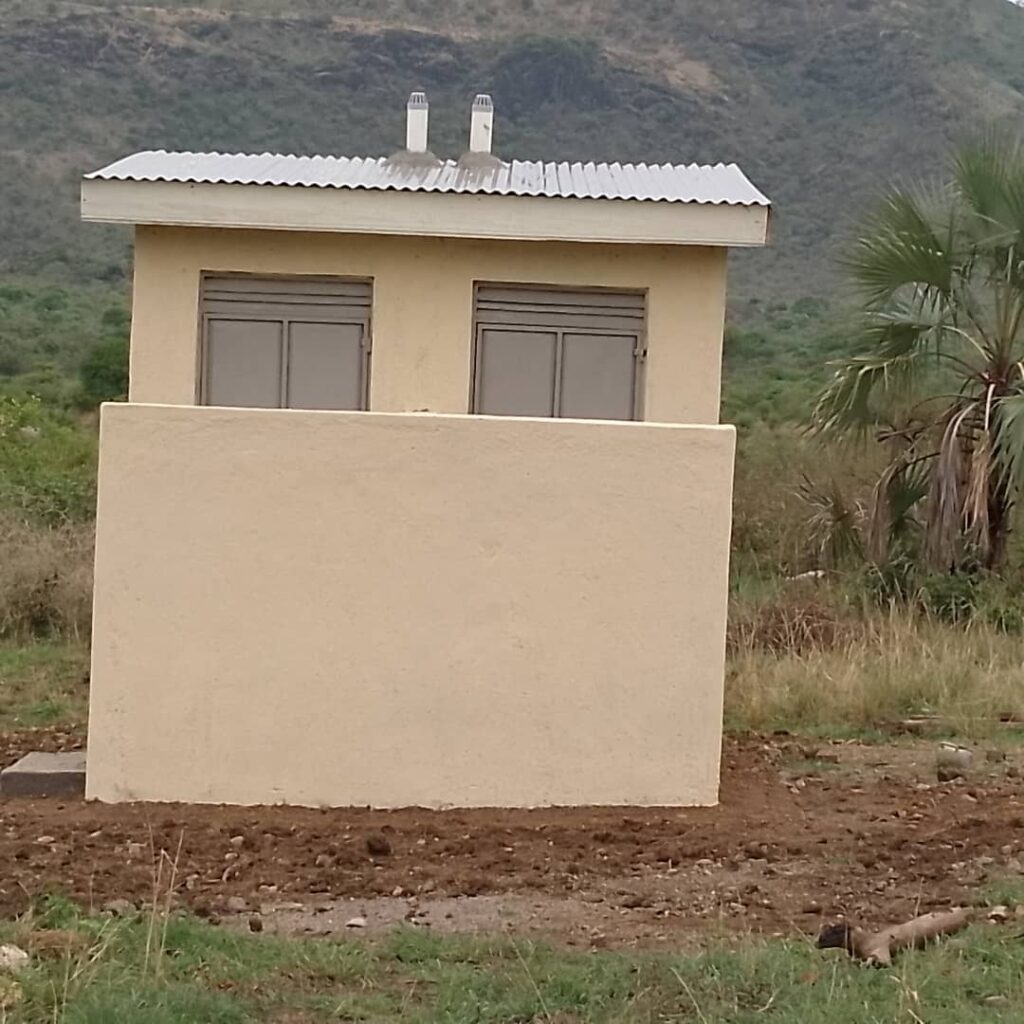
The lack of safe drinking water, inadequate sanitation and poor hygiene practices have left a large proportion of South Sudan’s population at persistent risk of preventable waterborne diseases, more so among children. The recent violence and large-scale displacement of people to areas without sufficient access to clean water and proper sanitation has greatly increased their vulnerability. Poor sanitation conditions pose a major public health risk, including potential cholera outbreaks. SPOCI’s immediate priority, over a given funded period, is to provide safe drinking water and emergency latrines, and promote good hygiene in order to prevent outbreaks and the spread of water related disease.
In particular, SPOCI will:
- Ensure improved access to clean water for displaced people by trucking in water whenever practicable, treating water and/or rehabilitating water boreholes/water pumps.
- Support displaced populations and other vulnerable communities with emergency latrines and basic hygiene activities and.
- Plan and prepare for the rainy season, including any acute diarrhoea outbreaks, by prepositioning WASH relief items in Pibor- Jonglei state.
Food security and livelihoods
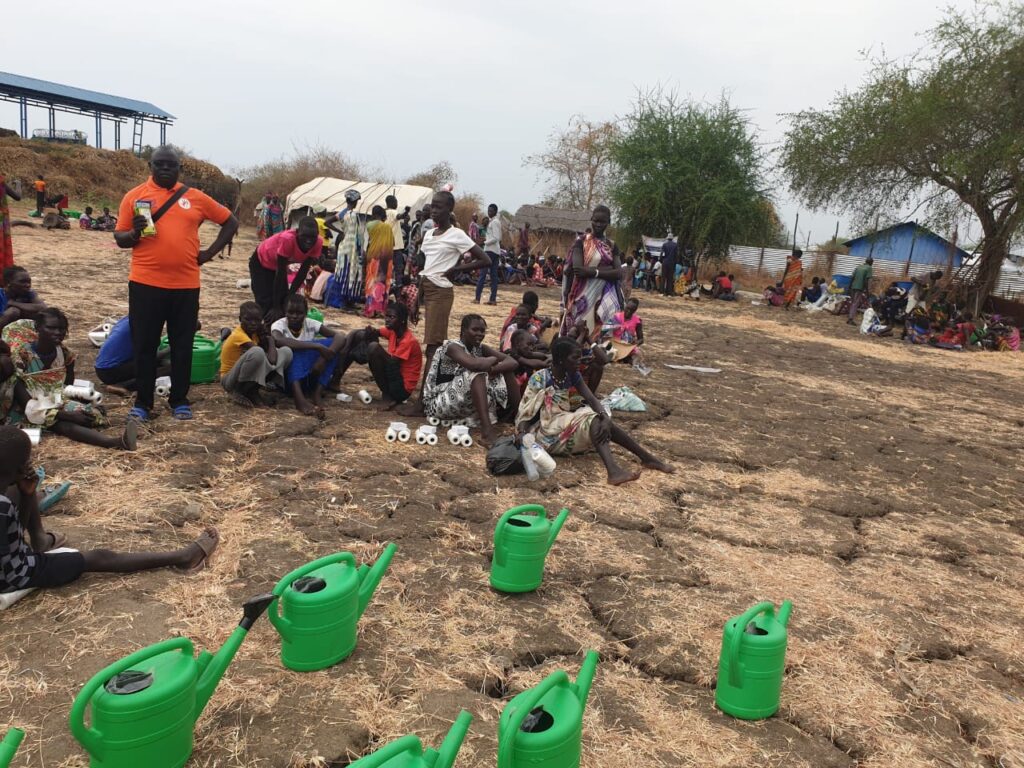
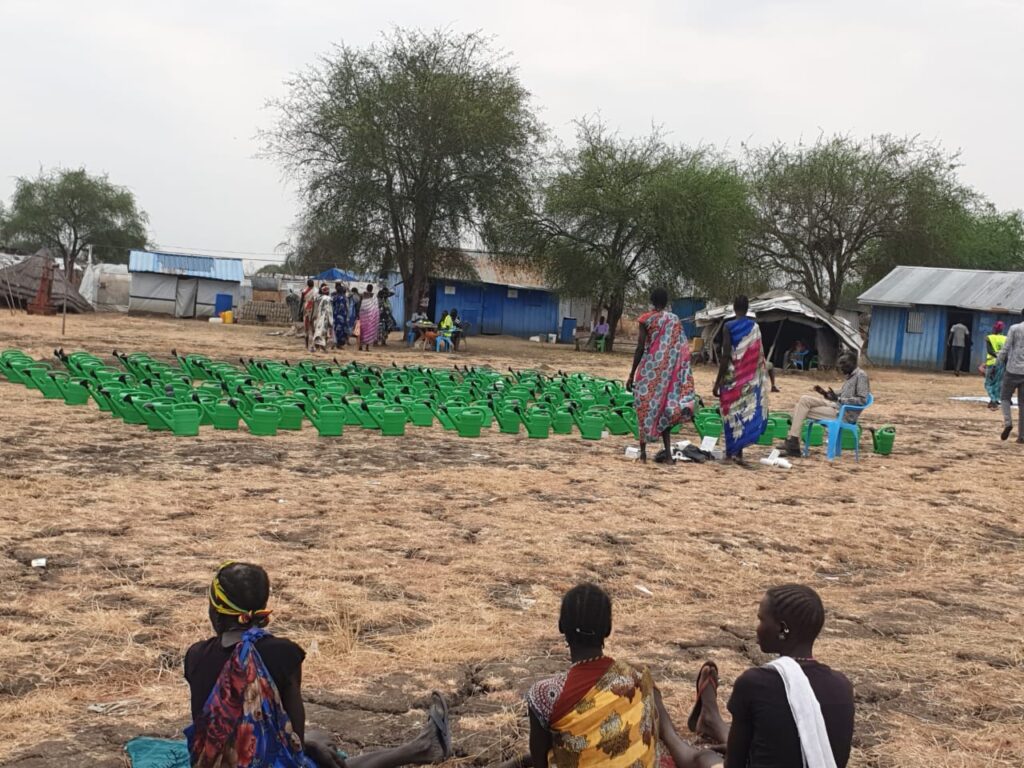
The violence and displacement has worsened an already fragile food security and livelihoods situation. The current crisis has increased insecurity along commercial supply corridors, caused private sector actors to leave the country, increased market fragmentation, inflated food and fuel prices, increased risks of cattle raiding and severely limited the mobility of people in search of food and work. Increasing access to food for people affected by displacement and food insecure households across the country is vital to combating potential malnutrition and disease. This will be a key part of SPOCI’s work, ensuring that both women and men have the means to protect their livelihoods (e.g., agriculture, livestock and fisheries production) that is vital for the survival of their families. In particular, SPOCI has been support the provision of:
- Emergency livelihood kits, including vegetable seeds and small scale irrigation equipment (treadle pumps to those with access to water sources) and fishing gear;
- Livestock disease protection and outbreak prevention, including the distribution of animal diseases treatment and vaccination kits to community animal health workers and enhancing the cold chain capacity to store necessary vaccines;
- Promote the use of crops that mature faster, seed multiplication and availing certified seeds, and
- Preposition food stocks and make them readily available for distribution in the most vulnerable areas.
Since the outbreak of the fighting on 15th December 2013, SPOCI has so far managed to support over 73,000 families improve their food security at household level in Jonglei, Greater Pibor Administrative Area, Western Bahr el Ghazal and Central Equatoria.
Education in Emergencies
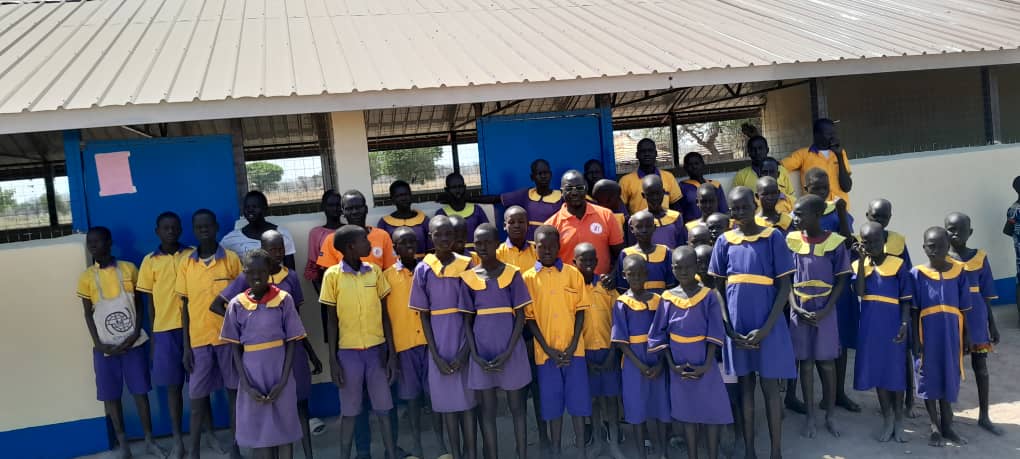
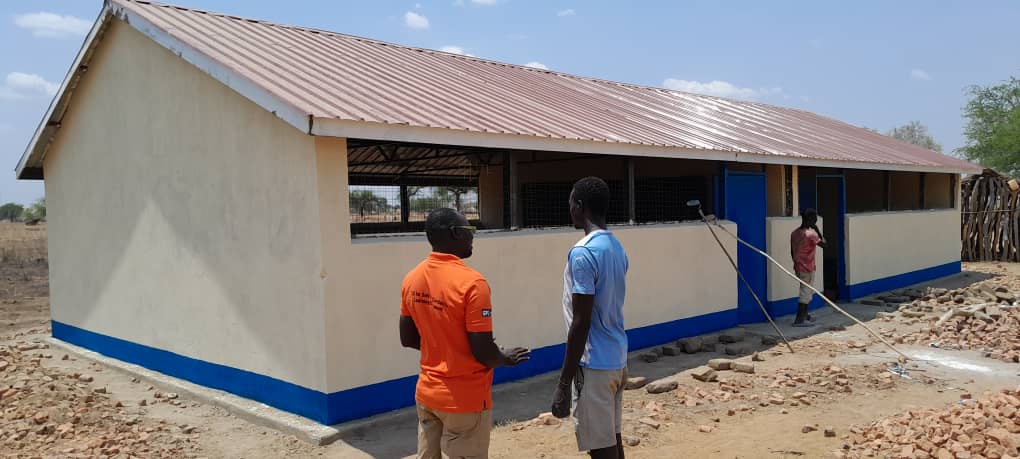
The conflict has had major consequence on education among other key sectors with destruction of school facilities among other key community support structures; which has had a serious impact on access to protective education for thousands of vulnerable boys, girls and youth, and is likely to continue. Education standards in the country still lag behind with indicators being ranked lowest in the world and have deteriorated further due to the ongoing conflict, which has forced more than one million children and adolescents out of school. Boys and girls from the displaced communities are also facing a myriad of protection related issues especially girls who have to fetch firewood and water in unfamiliar environments face the risk of rape or forced marriages; Boys have to take care of cattle thereby risking fighting with host and other communities, due to crop damage by animals; hence the need for safe protected learning spaces where they can interact with their peers and learn life skills and an opportunity for lost children to be reunified with their parents. Basic Education is virtually nonexistent as the youngest boys and girls are often left at home while older ones undertake livelihoods actions especially in Greater Pibor Administrative Area.
To mitigate the impact of the conflict on Education, SPOCI has implemented and will continue to undertake the following actions;
- Construction of Temporary Learning Spaces (TLS) and Rehabilitation of damaged classrooms and other facilities; these facilities also serve as reference points for identification of lost children with the aim of facilitating reunification
- Training of PTAs, Teachers and Local Leaders on Psychosocial Support and Conflict-sensitive Life skills including supporting relevant messaging;
- Distribution of school supplies that include teaching and learning as well as recreation materials;
- Advocacy actions aimed at ensuring that armed actors, IDPs and other vacate learning facilities; also included is intensive awareness creation on the importance of education particularly of girls.
- School feeding programs mainstreaming nutrition best practices in collaboration with other cluster partners. Child Protection programming including advocacy for the rights of children.
We have constructed 28 safe protective learning spaces, distributed hundreds of assorted teaching and learning materials that have benefited over 6,000 girls, and 8,000 boys in the last three years. SPOCI has so far managed to construct sixteen TLS’ facilities used by over 3,000 children (boys and girls), trained over 42 teachers, 148 PTA members, 72 local leaders and other key community resource persons on conflict sensitive psychosocial support and life-skills including cross-cutting issues such as HIV/AIDS, sustainable natural resource conservation among other issues. SPOCI was able to request, preposition and successfully distributed various school supplies from UNICEF to various TLS locations in Jonglei States.
RESILIENCE ACTIONS
Rehabilitation, Early Recovery and Development Initiatives; Areas of Focus:
In areas partially affected by the prevailing conflict where security allows relatively stable access, for example parts of the former Greater Pibor Administrative Area, Jonglei and Boma, and Kajokeji- Morobo and Lainya Counties of Central Equatoria- States, SPOCI’s strategy has been to implement actions that promote resilience actions which include; rehabilitation, early and to a limited extent development amongst the targeted communities; as broadly outlined below;
Agriculture, Livestock Production and Natural Resource Management
SPOCI helps families produce more food and increase their income while managing their natural resources and preserving the environment for future generations. SPOCI works with farmers to increase their crop and livestock yields through activities such as growing new seed varieties, seed multiplication in availing the improved seeds, improved animal husbandry techniques among others, home gardening and irrigation. SPOCI has been training Community Based Animal Health Workers to support livestock productivity through improved livestock disease treatment and control in Pibor.
Agriculture, Livestock Production and Natural Resource Management
Soil & Water Conservation
SPOCI’s projects do train farmers to effectively manage soil fertility and productivity over the longterm, both on their individual plots and on lands surrounding the targeted communities. SPOCI soil management activities use primarily locally available organic nutrients, such as ground covers, livestock manure, and household waste, and nitrogen-fixing trees, legumes and shrubs. Soil management activities also focus on reducing soil erosion as well as gully and landslide control through, for example, terracing, vegetative cover, and strategically planted trees. in liaison with State Ministry of Agriculture provided training in: improved agricultural methods such as crop rotation, irrigated Vegetable and fruits production, soil fertility tests; pasture production for livestock; soil conservation through terracing and the use of trees and shrubs. Integrated pest management; water and watershed management; and environmental education to participating families is included as well.
Shelter Non-Food Items(NFIs)
Due the dynamic displacements caused by the conflict, the need for the provision of shelter NFI becomes a priority as a basic need answering the perspective of a human dignity
Attempts to address the underlying causes have included the following initiatives;
- Poverty alleviation and peace initiatives– for example the training and equipping excombatants (mainly the youth) through vocational training in masonry and Bee-keeping and equipping them with blockmatic machines and training them on local beehives in bee-keeping.
- Peace building through development; formation of institutional structures around development projects such as micro-dams, vet-shops, drilled/Boreholes and rehabilitated water points etc- these are used for inculcating peace messages and resolution of conflict particularly resource or ethnic based.
- Conflict analysis and development planning-this has been a key component of our actions during which key stakeholders are brought together to support these.
- Advocacy initiatives; SPOCI has facilitated local peace groups to take on an informal advocacy role in raising awareness of potential conflict triggers, and suggesting to the county and state administration actions that might address these.
Alternative Livelihoods and Economic Development
SPOCI’s economic development programs assist impoverished families by supporting income generating activities, especially those operated by women and Youths. SPOCI initiates community savings-and-loan programs and provides technical training to help people begin or expand small businesses that will increase family income. For example through our 2016 Reintegration Project for Kajokeji County, SPOCI was able to provide vocational training on; value addition, food preservation and preparation, Bee-keeping as well as business management to 150 women, 150,Youths and 100 Men, mainly from the most vulnerable host communities and Returnees Communities thus enabling them not only acquire the skills needed to start their own small businesses but also be in a position to get employment in the many guesthouses run by NGOs, Hotels and restaurants mushrooming in urban areas of South Sudan. As funding is made available, SPOCI has a plan of supporting the formation of self-help structures around livelihoods activities such as vegetable production groups, Community Animal health workers groups, Hand Pump attendants/Water User Committees and Disarmed youth groups.
Protection(Child protection , Gender Based Violence)
Due to the growing gross violence across the country fuelled up by the conflict, SPOCI has initiated the need to respond to that emerging need that calls all the key stakeholders including the community members, churches, Actors, donors in the call for an end to violence against children including advocating against recruitment and use of children in armed groups/ forces.
Peace Building Initiatives
Most of the focus on SPOCI work has been on addressing the immediate conflict issues such as facilitating peace negotiations/agreements, responding to incidents that are likely to lead to an outbreak or resurgence of conflict among others in Greater Pibor.
- Attempting to solve conflicts within the locality using traditional systems
- Monitoring the security situation and providing reports to county and state level peace committees or the local/government administrative structures
Interacting with neighboring communities on sharing natural resources and resolving conflicts
HIV/AIDS and Other Health Programmes
We believe that our HIV/AIDS programs must provide information and services to vulnerable groups whilst addressing the underlying factors that lead people to make choices that put them at risk of infection. SPOCI’s HIV/AIDS programs will link with our other sectors, including health, education and economic development. Through our HIV/AIDS programs, we help communities, men, women and children orphaned and made vulnerable by HIV/AIDS; develop peer education and outreach in communities; and increase access to services such as condoms, voluntary counselling and testing, antiretroviral treatment, and STI prevention and treatment. Advocacy on behalf of vulnerable and marginalized populations is also an important part of our work. We also place additional emphasis on reducing stigma and work to ensure economic self sufficiency amongst PLWHAs.